Women’s healthcare does not begin at pregnancy nor end at delivery. Preconception counseling and post-delivery care are equally important for ensuring long-term maternal and child health. Preconception care helps identify and manage health conditions before pregnancy, reducing risks during gestation.
Preconception counseling includes assessment of medical history, lifestyle habits, nutritional status, and vaccination needs. Screening for anemia, diabetes, thyroid disorders, and infections allows timely correction before conception. Couples also receive guidance on nutrition, supplements, and healthy habits.
Post-delivery care focuses on a mother’s recovery after childbirth. Physical healing, emotional health, breastfeeding support, and contraception counseling are key components. Many women experience mood changes or postnatal depression, which require early attention and support.
At Dr. Pooja Mittal’s clinic, both preconception and postnatal care are handled with a holistic approach. Mothers receive continuous guidance to ensure smooth recovery and confidence in newborn care.
By prioritizing care before and after pregnancy, women can experience healthier pregnancies, faster recovery, and improved long-term reproductive health. Comprehensive gynecological care ensures that motherhood remains a safe and positive journey.
Pregnancy is a beautiful journey, but for some women, it comes with medical challenges that require extra attention. A pregnancy is termed high-risk when there are increased chances of complications affecting the mother, the baby, or both. Conditions such as high blood pressure, diabetes, thyroid disorders, anemia, previous cesarean delivery, multiple pregnancies, or advanced maternal age can make pregnancy high-risk.
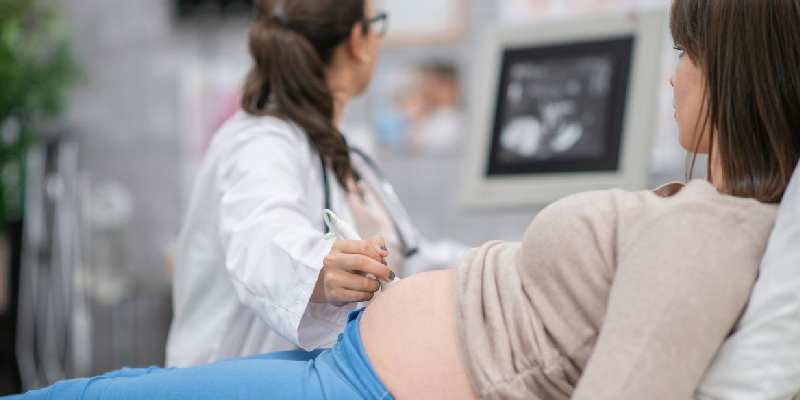
High-risk pregnancy care focuses on early detection, continuous monitoring, and timely intervention. Regular antenatal checkups, advanced ultrasound scans, blood tests, and fetal monitoring play a crucial role in ensuring a safe pregnancy. Proper management significantly reduces complications such as preterm delivery, growth restriction, and delivery-related risks.
At the clinic of Dr. Pooja Mittal, high-risk pregnancy care is approached with a personalized and evidence-based treatment plan. Each patient is evaluated thoroughly, and care is tailored according to medical history and pregnancy needs. Nutritional guidance, medication management, and emotional support are equally emphasized.
One of the most important aspects of managing a high-risk pregnancy is patient awareness. Women are educated about warning signs such as reduced fetal movements, swelling, severe headaches, or abnormal bleeding. Early reporting of symptoms can prevent serious complications.
With proper medical supervision, most high-risk pregnancies can result in healthy mothers and babies. Specialized obstetric care, timely decision-making, and compassionate support help ensure safe delivery outcomes. Choosing an experienced gynecologist plays a vital role in navigating the complexities of high-risk pregnancy successfully.

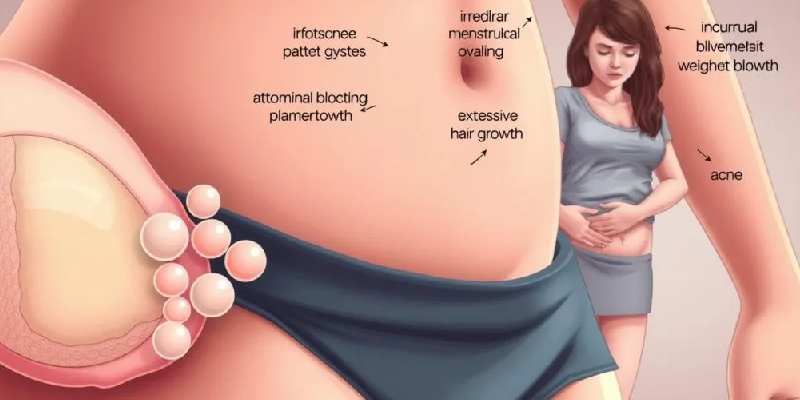
Polycystic Ovary Syndrome (PCOS) is one of the most common hormonal disorders affecting women of reproductive age. It is a condition that impacts menstrual cycles, hormone levels, metabolism, and fertility. Women with PCOS often experience irregular periods, excessive hair growth, acne, weight gain, and difficulty in conceiving.
The exact cause of PCOS is not fully understood, but hormonal imbalance and insulin resistance play a major role. If left untreated, PCOS can increase the risk of diabetes, heart disease, and infertility. Early diagnosis and proper management are essential to prevent long-term complications.
PCOS management is not limited to medications alone. Lifestyle modification, including weight control, balanced diet, and regular exercise, forms the foundation of treatment. Medical therapy may be used to regulate menstrual cycles, control symptoms, and support fertility when required.
At Dr. Pooja Mittal’s clinic, PCOS management is handled through a holistic and individualized approach. Each patient receives a treatment plan based on symptoms, age, and reproductive goals. Regular follow-ups ensure hormonal balance and symptom improvement.
Education and emotional support are crucial, as PCOS can impact mental well-being and self-confidence. With proper guidance and consistent care, women with PCOS can lead healthy lives, maintain regular cycles, and achieve successful pregnancies when desired.
Menstrual irregularities are common, but heavy and irregular periods should never be ignored. Excessive bleeding, prolonged periods, or unpredictable cycles can interfere with daily life and may indicate an underlying gynecological issue. Conditions such as hormonal imbalance, fibroids, PCOS, thyroid disorders, and uterine polyps are common causes.
Heavy menstrual bleeding can lead to anemia, fatigue, dizziness, and reduced quality of life. Irregular cycles may affect fertility and overall hormonal health. Identifying the root cause is essential for effective treatment.
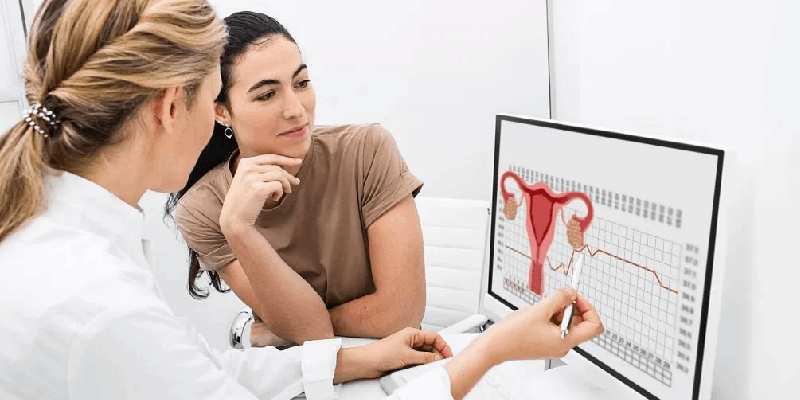
Diagnosis usually involves a detailed medical history, pelvic examination, ultrasound, and blood tests. Treatment depends on the underlying cause and may include medications, hormonal therapy, or minimally invasive procedures.
Dr. Pooja Mittal focuses on early diagnosis and patient-specific treatment plans. Her approach emphasizes preserving reproductive health while providing relief from symptoms. Patients are educated about menstrual health, lifestyle changes, and the importance of regular follow-ups.
Seeking timely medical care helps prevent complications and restores menstrual balance. With proper gynecological evaluation and treatment, women can regain comfort, confidence, and overall well-being.